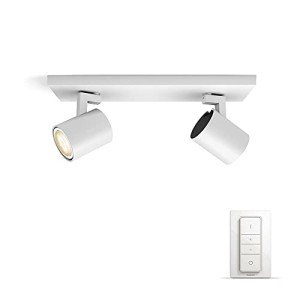
Industrial Lamps in the UK: Illuminating Industries and Workspaces
In a period where effective lighting options play an essential role in improving performance and safety in numerous industrial settings, industrial lamps have emerged as essential tools for factories, warehouses, workshops, and more. The UK's market for industrial lighting is quickly developing, driven by advancements in technology, a growing concentrate on energy effectiveness, and stringent security regulations. This article checks out the various types of industrial lamps offered in the UK, their applications, and the factors to consider that should be made when choosing the suitable lighting options for industrial environments.
Understanding Industrial Lamps
Industrial lamps are created particularly for usage in a variety of industrial settings. They supply the required illumination while likewise thinking about the unique obstacles postured by such environments, consisting of dust, wetness, high ceilings, and variable temperature levels. Industrial lamps come in different kinds, consisting of LED, fluorescent, and metal halide lighting, each with its own set of attributes and advantages.
Kinds Of Industrial Lamps
LED Industrial Lamps:
- Description: LED (Light Emitting Diode) industrial lamps are energy-efficient, long-lasting, and supply outstanding illumination.
- Advantages:
- Energy effectiveness (up to 80% less energy consumption)
- Long life expectancy (as much as 50,000 hours)
- Low heat emission
- Instant brightness without any flickering
- Applications: Factories, warehouses, and building and construction sites.
Fluorescent Industrial Lamps:
- Description: These lamps give off light through the excitation of gas, frequently utilized in environments requiring consistent lighting.
- Benefits:
- Good color rendering
- Cost-effective
- Different sizes and shapes
- Applications: Workshops, garages, and assembly lines.
Metal Halide Industrial Lamps:
- Description: This kind of gas discharge lamp produces a brilliant, white light and is typically utilized in big areas.
- Advantages:
- High strength and brightness
- Excellent for sports locations, parking area, and large industrial facilities
- Applications: Warehouses, filling docks, and outdoor locations.
Comparison Table of Different Types of Industrial Lamps
| Lamp Type | Energy Efficiency | Lifespan | Brightness | Application Areas |
|---|---|---|---|---|
| LED Industrial Lamps | As much as 80% | Up to 50,000 hours | Very High | Factories, Construction Sites |
| Fluorescent | Moderate | 7,000 - 15,000 hours | Moderate to High | Workshops, Garages |
| Metal Halide | Moderate | 15,000-20,000 hours | High | Warehouses, Outdoor Areas |
Selecting Industrial Lamps
When choosing industrial lamps, a number of aspects ought to be taken into account. These include:
- Type of Application: Different locations have varying lighting needs. For instance, high-precision jobs may need brighter, more focused lighting compared to basic work space illumination.
- Energy Efficiency: With rising energy costs and environmental issues, choosing lamps with high energy performance can cause significant cost savings over time.
- Life-span: Longer-lasting lamps decrease maintenance costs and downtime, making them preferable in busy industrial settings.
- Security Standards: Compliance with safety guidelines is vital. Industrial lamps need to be designed to stand up to harsh conditions, consisting of moisture, dust, and impacts.
- Cost: While in advance costs matter, the long-term cost savings accomplished by means of energy-efficient and lasting lamps need to likewise be considered.
Advantages of Appropriate Industrial Lighting
- Enhanced Safety: Proper lighting lowers the danger of accidents and injuries in industrial environments.
- Increased Productivity: Adequate lighting promotes better exposure, helping in the performance of employees.
- Expense Savings: Energy-efficient lamps lead to lower electrical energy costs and less regular replacements.
- Improved Quality Control: Good lighting permits better assessment processes, ultimately boosting item quality.
Regularly Asked Questions (FAQs)
Q1. How do I determine the ideal kind of industrial lamp for my center?A1. Evaluate the particular lighting needs and conditions of your facility. Think about Buy Energy-Efficient Lighting UK as the tasks being performed, the size of the area, and any regulatory requirements.
Q2. Are LED lights worth the investment in an industrial setting?A2. Yes, LED lights use considerable long-lasting cost savings due to lower energy intake and longer life-spans, making them a cost-effective choice in the long run.
Q3. Can I set up industrial lamps myself?A3. While some people might have the skills to install lamps, it is typically recommended to work with a certified electrical contractor to make sure compliance with security requirements and regional regulations.
Q4. What maintenance is required for industrial lamps?A4. Regular assessments for damage, cleaning of lights, and timely replacement of faulty lamps are vital to maintain optimum efficiency.
Q5. What are the current patterns in industrial lighting technology?A5. Advances in smart lighting systems, including IoT (Internet of Things) integration and advanced energy management services, are at the forefront of industrial lighting development.
The best industrial lamps are critical to ensuring safety, productivity, and cost efficiency in various industrial settings. The UK market uses a range of lighting services, from LED lamps to fluorescent and metal halide choices, each ideal for different applications. By comprehending the features and advantages of these lighting types and taking key considerations into account, services can make educated choices that will brighten their offices efficiently while enhancing efficiency and saving expenses. Purchasing the ideal industrial lighting not just improves overall atmosphere but also promotes a safer and more productive work environment.